

THE MEANINGS WOVEN IN
七宝つなぎ
shippō tsunagi
A wish for bonds that keep joining, circle to circle.
Linked Seven Treasures
01
Where it comes from
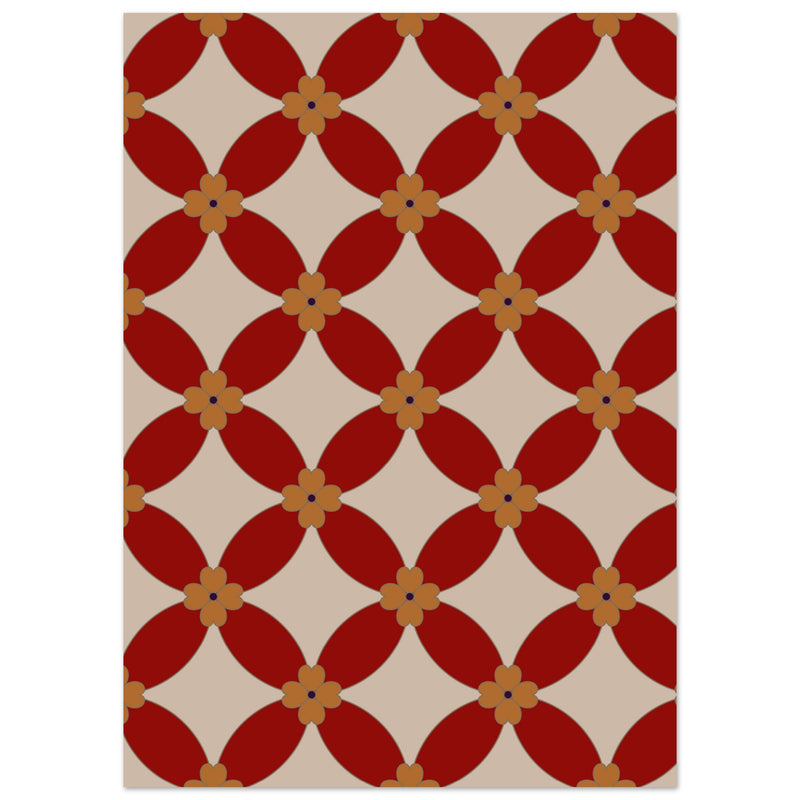
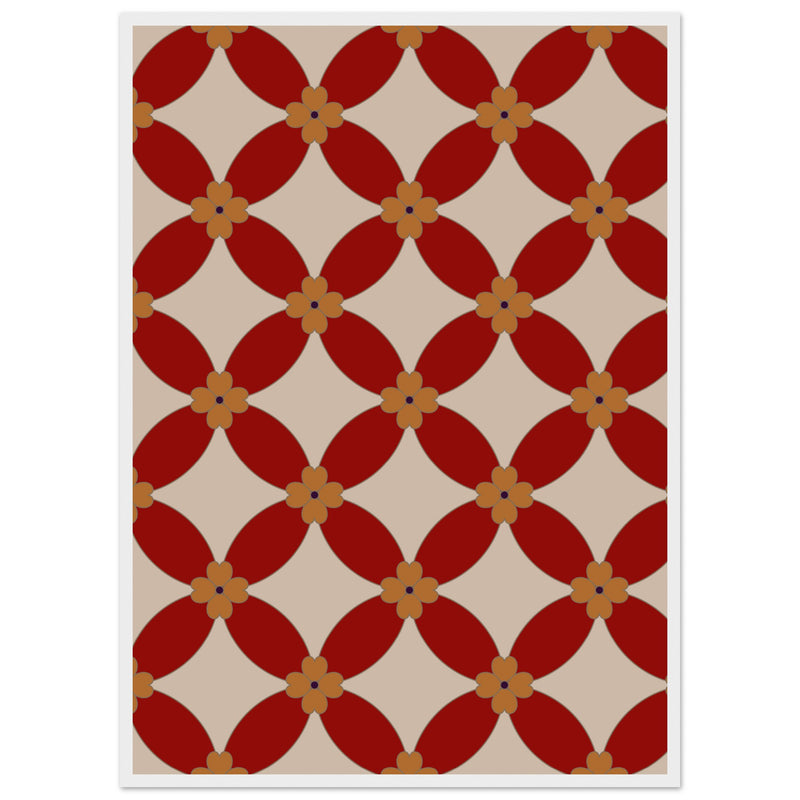
In the pattern, each circle shares its edge with the next, so the chain can go on in any direction. The name shippō may come from shihō, the four directions the rings spread toward, or from the seven treasures of Buddhist sutras; both readings have been told. People have read in it a wish for harmony, for good relationships, and for good fortune that keeps widening.
02
On the cloth
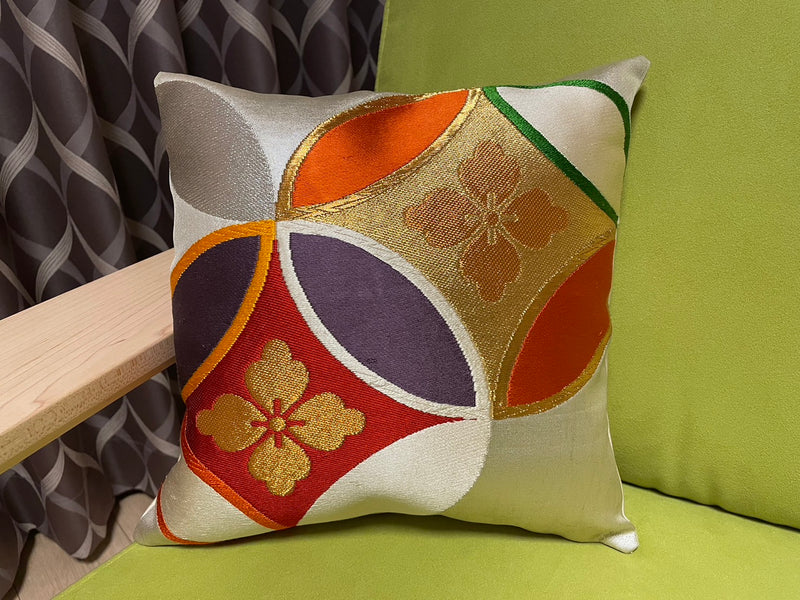
On obi, the linked circles often lie as a quiet ground behind flowers, or open to hold another motif inside. On one cream cloth they join hanabishi, a four-petalled flower set in a diamond, in vermilion, purple, and gold. On a black one they meet tortoise-shell hexagons and bush clover in vermilion and gold.


03
To give
Shippō has been chosen for weddings, for new partnerships, and for tables where people gather again. It suits a gift for someone whose circle you are glad to be part of.
A word to keep
七宝つなぎ
shippō tsunagi
Linked seven treasures: the name for circles joined into an unbroken chain. Tsunagi means joining.

Two questions
What does the Linked Seven Treasures (七宝つなぎ) pattern mean?
A wish for bonds that keep joining, circle to circle. Shippō has been chosen for weddings, for new partnerships, and for tables where people gather again.
Where does the 七宝つなぎ pattern come from?
In the pattern, each circle shares its edge with the next, so the chain can go on in any direction. The name shippō may come from shihō, the four directions the rings spread toward, or from the seven treasures of Buddhist sutras; both readings have been told.

